
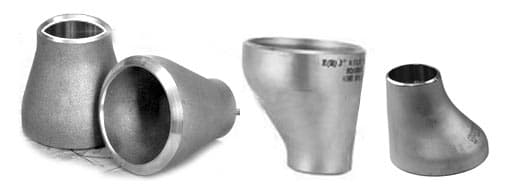
ASME B16.11 Reducing Coupling
Home»»ASME B16.11 Reducing Coupling
ASME Standards
ASME B16.11 Reducing Coupling
ASME B16.11 Reducing Coupling Manufacturer & Supplier
ASME B16.11 Reducing Coupling is a forged steel pipe fitting manufactured in accordance with the ASME B16.11 standard. It is designed to connect two threaded or socket weld pipes of different sizes while maintaining a secure, leak-proof, and high-strength connection. These forged reducing couplings are widely used in high-pressure and high-temperature piping systems where pipe size reduction is required without compromising system performance.
The ASME B16.11 standard specifies the dimensions, pressure ratings, materials, marking, manufacturing, inspection, and testing requirements for forged socket weld and threaded fittings. Manufactured using premium-quality raw materials and precision forging technology, ASME B16.11 reducing couplings provide outstanding mechanical strength, corrosion resistance, dimensional accuracy, and long service life.
Our ASME B16.11 reducing couplings are available in various pressure classes, sizes, and material grades to meet the requirements of oil & gas, petrochemical, power generation, chemical processing, marine, offshore, pharmaceutical, water treatment, and other industrial applications.
ASME B16.11 Reducing Coupling Specifications
ASME B16.11 Reducing Coupling Dimensions
ASME B16.11 reducing couplings are manufactured in accordance with the dimensional requirements of the ASME B16.11 standard. They are available in Class 2000, Class 3000, Class 6000, and Class 9000 pressure ratings with pipe sizes ranging from 1/8" NB to 4" NB.
Dimension details generally include:
- Nominal Pipe Size (NPS)
- Outside Diameter (OD)
- Length (L)
- Socket Depth
- Thread Length
- Pressure Class
- Weight
Detailed dimension charts and engineering drawings are available upon request.
Available Material Grades
Our ASME B16.11 reducing couplings are manufactured in a wide range of materials.
Carbon Steel
- ASTM A105
- ASTM A350 LF2
Stainless Steel
- ASTM A182 F304
- ASTM A182 F304L
- ASTM A182 F316
- ASTM A182 F316L
- ASTM A182 F321
- ASTM A182 F347
Alloy Steel
- ASTM A182 F5
- ASTM A182 F9
- ASTM A182 F11
- ASTM A182 F22
- ASTM A182 F91
Duplex Stainless Steel
- ASTM A182 F51
- ASTM A182 F52
Super Duplex Stainless Steel
- ASTM A182 F53
- ASTM A182 F55
- ASTM A182 F60
Nickel Alloys
- Inconel
- Monel
- Hastelloy
- Incoloy
- Nickel 200
- Nickel 201
Titanium
- Grade 2
- Grade 5
Pressure Classes
Our ASME B16.11 reducing couplings are available in the following pressure ratings, suitable for high-pressure industrial piping systems.
- Class 2000
- Class 3000
- Class 6000
- Class 9000
Key Features
- Manufactured according to ASME B16.11 standard
- Designed to connect pipes of different sizes
- High-strength forged construction
- Leak-proof and reliable performance
- Excellent corrosion resistance
- Precision-machined dimensions
- Available in Socket Weld and Threaded connections
- Long service life with minimal maintenance
- Suitable for high-pressure and high-temperature applications
Inspection & Testing
Every ASME B16.11 reducing coupling undergoes strict quality inspection before delivery.
- Positive Material Identification (PMI)
- Hydrostatic Testing
- Visual Inspection
- Dimensional Inspection
- Hardness Testing
- Third-Party Inspection
- Material Test Certificate (EN 10204 3.1)
Applications
ASME B16.11 reducing couplings are widely used in:
- Oil & Gas Industry
- Petrochemical Plants
- Chemical Processing
- Refineries
- Power Generation Plants
- Offshore Platforms
- Marine Industry
- Water Treatment Plants
- Fire Protection Systems
- Pharmaceutical Industry
- Food & Beverage Processing
- Paper & Pulp Industry
- Fertilizer Plants
- Cement Industry
- Sugar Industry
Why Choose Our ASME B16.11 Reducing Couplings?
We manufacture and supply premium-quality ASME B16.11 reducing couplings using certified raw materials and advanced forging technology. Every fitting is precision-machined and thoroughly tested to ensure superior strength, dimensional accuracy, and dependable performance in demanding industrial environments.
With a comprehensive product range, competitive pricing, strict quality control, and timely worldwide delivery, we provide reliable forged piping solutions for industries across the globe.
Frequently Asked Questions
What is an ASME B16.11 Reducing Coupling?
An ASME B16.11 reducing coupling is a forged fitting used to connect two pipes of different sizes while maintaining a secure and leak-proof connection in high-pressure piping systems.
What connection types are available?
ASME B16.11 reducing couplings are available in Socket Weld (SW) and Threaded (NPT/BSP) configurations.
What pressure classes are available?
We offer reducing couplings in Class 2000, Class 3000, Class 6000, and Class 9000.
Which materials do you supply?
Our reducing couplings are available in Carbon Steel, Stainless Steel, Alloy Steel, Duplex Stainless Steel, Super Duplex Stainless Steel, Nickel Alloys, and Titanium.
Where are ASME B16.11 reducing couplings used?
They are commonly used in oil & gas, petrochemical, chemical processing, power generation, marine, offshore, pharmaceutical, water treatment, and other industrial piping systems.
Need a Quote on ASME B16.11 Reducing Couplings?
Share your size, grade and pressure class requirement and our team will get back to you with pricing and availability.